Automotive Leather
Upholstery Supply USA offers genuine leather materials for automotive upholstery applications.
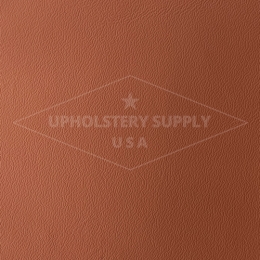
Sorrento Nappa Genuine Leather
From $363.00
per Hide
Automotive Leather for Cars, Vans, Trucks, Hotrods, Classics, and More!
Automotive leather combines craftsmanship, performance, and comfort to elevate vehicle interiors. This guide outlines key leather types, their advantages, and how to choose the right material for your car or truck. We emphasize specification-driven leather solutions built for long-term durability, consistent quality, and seamless integration across OEM and bespoke projects. Whether you call it car leather or vehicle leather, the right leather upholstery starts with high-quality leather hides tailored to automotive standards.
Types of Automotive Leather
Full Grain vs. Top Grain: Full grain preserves the hide’s natural surface for maximum strength and character, making it ideal for premium seats and steering wheels. Top grain is lightly corrected and finished for a smoother, more uniform look with excellent stain resistance—often preferred in high-traffic cabins. Both are real leather when sourced from genuine leather hides and specified as automotive leather for car leather applications.
Perforated Leather: Perforation enhances breathability, temperature regulation, and acoustic damping. It’s the go-to choice for ventilated seats and sporty trims, balancing comfort and refinement. Pair perforated panels with solid leather bolsters to maintain structure and reduce wear on high-contact zones in leather upholstery.
Benefits of Using Leather in Automotive Interiors
Durability and Longevity: Automotive-grade leather is engineered to resist UV exposure, temperature swings, and repeated abrasion. Quality finishes retain colour, resist cracking, and age gracefully with routine care, making automotive leather and vehicle leather dependable choices for daily use.
Aesthetic Appeal and Customisation: Leather delivers rich textures, deep colours, and tailored stitching to match your vehicle’s personality. From matte, natural looks to contemporary semi-aniline finishes, customisation ensures cohesive design across seats, door panels, and touchpoints. Premium car leather sourced from consistent leather hides elevates overall leather upholstery quality.
Easy Maintenance: Wipe surfaces with a soft cloth and pH-balanced cleaner; condition semi-aniline and full grain hides quarterly to prevent drying. Avoid harsh solvents and silicone-heavy dressings. Quick tips: blot spills immediately, keep a microfibre towel in the glovebox, and use sunshades to reduce UV stress on vehicle leather.
How to Choose the Right Automotive Leather
Match to Vehicle Use: Daily drivers benefit from top grain or coated finishes for stain resistance. Luxury builds may opt for full grain or semi-aniline for natural character. Family SUVs can combine genuine leather in high-touch areas with synthetics for utility seating. Consider climate, usage, and cleaning habits when selecting car leather and leather upholstery.
Know the Grades: Automotive-grade leather is processed to meet strict performance standards—colour fastness, abrasion resistance, tear and tensile strength, and UV stability. Higher-grade leather hides show consistent grain, minimal corrections, and resilient finishing systems suited for long-term cabin use.
Align with Design: Choose finishes that complement trim materials and lighting: perforated for ventilated sport interiors, smooth top grain for modern minimalism, and full grain for classic, upscale cabins. Stitch colour, emboss patterns, and perforation layouts help unify the interior theme across vehicle leather and car leather installations. We carry many colors of leather to work with any style or design, including tan, black, white, red, blue, purple, green, brown, saddle, orange, yellow, and gray!
Automotive Leather Frequently Asked Questions
What is automotive-grade leather? It’s genuine or engineered leather processed and tested to meet automotive performance requirements, including UV resistance, abrasion durability, stain resistance, and consistent colour fastness for long-term in-cabin use. This ensures automotive leather performs reliably as premium leather upholstery.
Is automotive leather real leather? Yes—when labelled as genuine (full grain, top grain, or corrected grain), it is real hide. Many interiors also include synthetic leather (PU or vinyl) for specific zones, which is distinct from genuine vehicle leather sourced from quality leather hides.
What kind of leather is used in cars? Most vehicles use top grain or corrected grain for seats and touchpoints, often with perforated panels for ventilation. Premium models may feature full-grain or semi-aniline finishes, while synthetic leather is common in fleet and utility applications. Selecting car leather that meets standards ensures durable leather upholstery.