General Upholstery Fabric
Upholstery Supply USA offers fabric by the yard for general residential and commercial upholstery projects.
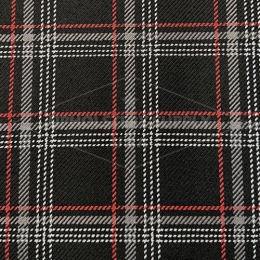
Plaid Fabric
From $22.95
per Yard
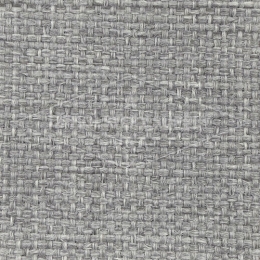
Tweed Fabric
From $14.50
per Yard
Unisuede Fabric
From $29.95
per Yard
General Upholstery Fabric: A Practical Guide
General upholstery fabric underpins the comfort, durability, and style of your furniture. Whether you’re updating a favorite chair, planning a living room refresh, or specifying materials for a commercial project, the right fabric choice delivers long-lasting performance and a look that suits your design goals. This guide covers fabric types, where to use them, and care practices so you can make confident decisions. When you’re ready to purchase, an upholstery supply store or trusted upholstery supplier can help you compare options, source samples, and find related upholstery supplies.
What Is Upholstery Fabric?
Upholstery fabric is the material used to cover sofas, chairs, ottomans, benches, and other seating. The best options balance aesthetics, durability, and comfort—resisting wear, holding color, and offering a pleasing hand feel—while supporting the structure of cushions and padding. General upholstery fabric choices range widely, and upholstery supply shops often carry both residential and contract-grade lines to meet varied needs.
Natural fibers include cotton, linen, wool, and leather. Synthetic choices such as polyester, acrylic, nylon, and microfiber provide strength, stain resistance, and colorfastness. Blends combine benefits (for example, poly-cotton for softness and durability), and performance fabrics feature protective finishes that repel stains and moisture. Specialty weaves like chenille, velvet, jacquard, and boucle add texture and visual depth. For sourcing and advice, explore upholsterers' supplies at an upholstery supply store or review upholstery supplies wholesale catalogs from an upholstery supplier to compare specifications.
Key selection factors:
-
Durability: Check abrasion ratings or double rub counts for wear resistance.
- Cleanability: Review cleaning codes and consider stain-resistant finishes.
- Fade resistance: Important for sunny rooms and spaces with UV exposure.
- Construction: Fiber content, weave density, and backing impact strength.
- Comfort and style: Consider breathability, texture, pattern scale, and drape.
For high-traffic homes or spaces with pets and kids, choose tightly woven, performance-treated fabrics with robust backing. Upholstery supplies, such as proper padding and backing, also influence end results; upholsterers' supplies can be sourced from upholstery supply shops and upholstery supplies wholesale distributors.
Applications of General Upholstery Fabric
Residential: Common uses include sofas, sectionals, armchairs, dining chairs, benches, and cushions. Microfiber and performance-treated polyester blends offer everyday comfort, easy cleaning, and dependable durability. For accent pieces, velvet, chenille, or patterned jacquard adds richness without overwhelming the room. General upholstery fabric for the home is widely available through an upholstery supply store, where you can also find complementary upholstery supplies like trim, foam, and webbing.
Commercial: Offices, hospitality, and public spaces require contract-grade fabrics with high abrasion ratings, stain-resistant finishes, and strong colorfastness. Where applicable, ensure fire code compliance. Vinyl and coated textiles are widely used in healthcare and food service for superior cleanability and moisture resistance. An upholstery supplier or upholstery supplies wholesale partner can provide specification sheets, compliance documentation, and bulk pricing to meet project needs.
DIY and custom projects: Headboards, ottomans, window seats, slip seats, and custom cushions benefit from fabrics with stable weaves and manageable thickness, making stapling and seaming easier. Plan for pattern matching on stripes and plaids, and use backing or interfacing to reinforce corners, seams, and other high-stress areas. For tools and materials, browse upholsterers' supplies from upholstery supply shops, including staples, tack strips, and high-density foam.
Care and Maintenance
Cleaning needs vary by material. For most woven textiles, vacuum regularly using an upholstery attachment to lift dust and grit that accelerates wear. Spot clean with a mild, fabric-safe detergent and water, and follow the manufacturer’s cleaning code: W (water-based), S (solvent-only), WS (water or solvent), and X (vacuum only). Microfiber often responds well to gentle soap solutions. Leather requires a dedicated leather cleaner and periodic conditioning. Always test cleaning products in an inconspicuous area first. Your local upholstery supply store may carry care kits and specialized cleaners as part of their upholstery supplies.
To extend fabric life:
- Rotate and flip cushions to distribute wear evenly.
- Keep furniture out of direct sunlight to reduce fading.
- Use arm covers or throws in high-contact areas.
- Maintain appropriate indoor humidity, especially for leather.
- Use glides or casters when moving furniture to reduce seam stress.
- Address loose threads promptly and reinforce seams at the early signs of strain.
For stain removal, quick action is essential. Blot—don’t rub—spills with a clean, white cloth to absorb moisture. For water-based stains, use a mild detergent solution; for oily stains, choose a fabric-safe solvent if the cleaning code allows. Enzyme cleaners help with food or pet stains. Hydrogen peroxide-based products can assist with organic discoloration; use cautiously and always spot test. After cleaning, blot dry and allow ample airflow to prevent rings or mildew. Upholstery supply shops and upholstery supplies wholesale sources often stock professional-grade stain removers suitable for general upholstery fabric.
Quick Reference: Fabric Types and Features
| Fabric Type | Strengths | Considerations | Best Uses |
|---|---|---|---|
| Cotton | Soft, breathable, versatile | Can wrinkle; may need stain protection | Casual sofas, slipcovers, cushions |
| Leather | Timeless, durable, easy to wipe | Needs conditioning; sensitive to heat/sun | Sofas, lounge chairs, commercial seating |
| Polyester/Microfiber | Stain-resistant, colorfast, affordable | Can pill; quality varies | Family rooms, high-traffic areas |
| Acrylic/Nylon | Strong, fade-resistant | May feel less natural | Outdoor-adjacent spaces, commercial |
| Vinyl/Coated Textiles | Highly cleanable, moisture-resistant | Less breathable; temperature sensitive | Healthcare, food service, and entry seating |
Choosing with Confidence
Match fabric performance to your environment and style. Start with abrasion ratings, cleaning codes, and fiber content, then refine by texture, pattern, and colorfastness. In homes with kids or pets, prioritize performance-treated blends. In commercial spaces, select contract-grade materials that meet durability and compliance standards. Source general upholstery fabric through a reputable upholstery supplier or upholstery supply store to compare samples, verify specifications, and pair the right upholsterer's supplies for installation. With the right general upholstery fabric and the proper upholstery supplies, your furniture will look great, feel comfortable, and stand up to daily life.