Automotive Exterior Fasteners
Upholstery Supply USA offers automotive fasteners for automotive exterior trim components.
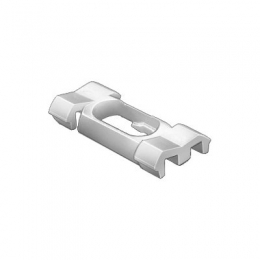
GM Quarter Belt Reveal Moulding Clip (AV14642)
$3.70 per Set
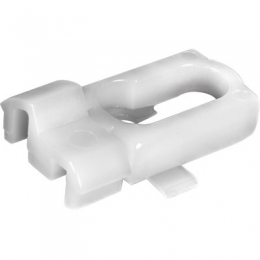
GM Rear Quarter Reveal Moulding Clip (AV12824)
$4.60 per Set
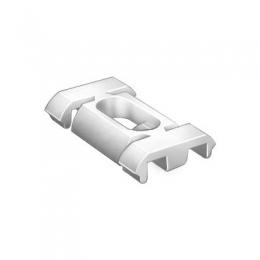
GM Quarter Belt Reveal Moulding Clip (AV12563)
$4.65 per Set
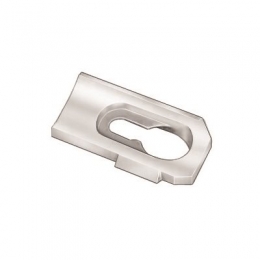
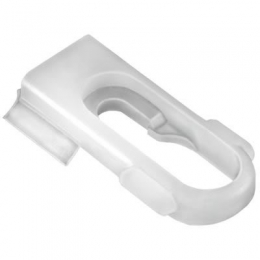
GM Door, Quarter Panel & Rear End Moulding Clip (AV10617)
$11.00 per Set
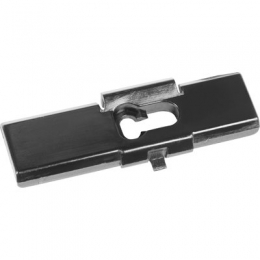
GM Moulding Clip (AV12594)
$11.85 per Set
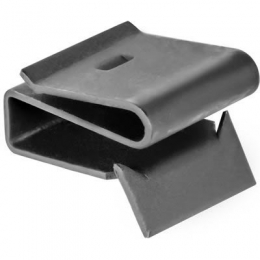
GM Radiator Shroud Clip (AV11352)
$2.80 per Set
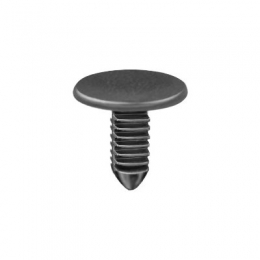
Nissan & Universal Splash Shield Retainer (AV20256)
$13.10 per Set
Automotive Exterior Trim Fasteners
Automotive exterior trim fasteners are the small but essential components that secure moldings, wheel arch trim, bumper covers, emblems, and weatherstrips to a vehicle’s body. The right automotive exterior trim fasteners keep panels aligned, reduce noise and vibration, and protect against water intrusion. Whether you are restoring, upgrading, or repairing, choosing the correct automotive trim fasteners ensures a clean fit, lasting durability, and a factory-quality finish.
Understanding Automotive Exterior Trim Fasteners
Exterior trim fasteners include clips, retainers, screws, and specialty connectors designed to attach non-structural trim to the vehicle’s exterior. Their job is to hold trim securely while accommodating thermal expansion, service access, and minor impacts without harming painted surfaces. High-quality automotive trim fasteners also help maintain consistent panel gaps and reduce buzz, squeak, and rattle.
Common materials include engineered plastics like nylon and acetal for flexibility, corrosion resistance, and paint-safe contact; stainless steel and coated steel for strength and reliable thread engagement; and aluminum for lightweight corrosion resistance. Many designs combine materials—such as metal screws with plastic push-in anchors—to balance strength with panel protection.
Durability and weather resistance are critical. Quality automotive exterior trim fasteners withstand UV exposure, temperature swings, road salt, and moisture. Look for UV-stabilized polymers, zinc-nickel or e-coat finishes on metal parts, and sealing features that prevent water ingress. Properly specified automotive trim fasteners maintain clamping force over time, reducing rattles and preventing trim lift at highway speeds.
Types of Automotive Exterior Trim Fasteners
Several common fastener styles are used across exterior applications:
- Push-in clips and panel retainers with barbed legs that snap into body holes for wheel arch liners, rocker moldings, and splash guards.
- U-nuts and speed nuts paired with machine screws to secure grilles, license plate brackets, and bumper covers.
- Christmas tree clips for quick installation of door and quarter panel moldings.
- Rivets—plastic and blind (pop) rivets—for permanent attachment of emblems and badges.
- Specialty molding clips with integrated seals that align and seal body side moldings.
- Expanding anchors that compress behind panels to create a tight hold.
Application and loads guide selection. Lightweight decorative strips typically use plastic clips to avoid paint damage, while load-bearing points on bumper covers may combine metal brackets and screws. Underbody locations benefit from corrosion-resistant materials and positive locking features to withstand debris and moisture.
In terms of performance, screws with metal nuts deliver the highest clamping force and serviceability; rivets provide permanent, vibration-resistant joints; and plastic push clips excel at quick installation and corrosion resistance. Choose automotive exterior trim fasteners based on service access, expected loads, and environmental exposure.
Choosing the Right Fasteners for Your Vehicle
Begin with your vehicle’s make, model, and year, since hole sizes, thread types, and clip geometries vary by OEM. Consult parts diagrams or service manuals to match OE part numbers, dimensions, head styles, and colors where clips remain visible. Confirm panel thickness and substrate—steel, aluminum, or composite—to ensure proper engagement and corrosion compatibility.
Source high-quality automotive exterior trim fasteners from suppliers that list OE cross-references, material specifications, and detailed dimensions. Look for vehicle-specific assortments, certified corrosion-resistant finishes, and protective packaging. When in doubt, compare new automotive trim fasteners directly to the originals for length, head profile, and engagement features to ensure a precise, factory-style result.