Apparel & Fashion Fabric
Upholstery Supply USA offers fabric materials by the yard for apparel and fashion projects.
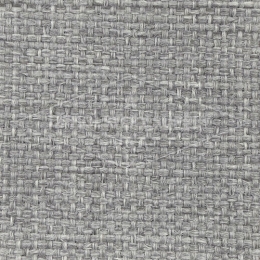
Tweed Fabric
From $14.50
per Yard
Apparel & Fashion Fabric
Explore apparel & fashion fabric selected for quality, style, and sewability. Whether you’re making everyday essentials or a standout look, knowing fiber types, fabric performance, and care helps you choose fabric for making clothes that feel good, look polished, and hold up wear after wear. From luxury fashion fabrics to practical cloth for making clothes, the right choice elevates every project.
Understanding Different Types of Apparel Fabrics
Apparel fabrics are broadly grouped into natural and synthetic fibers. Natural options—cotton, linen, silk, and wool—originate from plants or animals and are known for breathability, comfort, and distinctive textures. Synthetic fibers—polyester, nylon, acrylic, and spandex—are engineered for durability, wrinkle resistance, stretch, and easy care. Many modern textiles are blends that combine strengths from both categories, giving you diverse types of fabric for clothes to suit any design.
Common choices include cotton, a soft, breathable staple for tees, shirts, and casual dresses; linen, prized for its airy hand and elegant texture that softens over time; and polyester, valued for strength, shape retention, and low maintenance. You’ll also find rayon and viscose for a fluid drape, plus knit fabrics with spandex for comfortable stretch in activewear and fitted garments. When selecting cloth for making clothes, consider whether you need easy-care basics or luxury fashion fabrics like silk charmeuse and fine wool suiting.
Weight and drape shape the final silhouette. Lightweight voiles, lawns, and chiffons suit airy blouses and gathered dresses. Midweight poplin, twill, and denim provide structure for trousers, skirts, and jackets. Fluid fabrics such as rayon challis or silk satin skim the body for movement and elegance. Always align fabric weight and drape with the design you want to achieve, especially when comparing types of fabric for clothes across seasons and occasions.
Choosing the Right Fabric for Your Sewing Projects
- Project goals: Begin with the garment’s purpose, season, and fit to select apparel & fashion fabric that supports breathability, warmth, and stretch.
- Fiber and structure: Evaluate fiber content and the weave or knit for stability or flexibility; note surface finish—matte, crisp, or lustrous—when picking fabric for making clothes.
- Preparation: Check for shrinkage and opacity to decide on pre-washing and lining; stable woven cottons are beginner-friendly, while knits with spandex offer recovery for fitted styles.
Match your fabric to the right techniques for professional results. Use universal needles for most woven cottons, microtex needles for tightly woven silks, and ballpoint or stretch needles for knits. A walking foot helps with slippery or layered textiles. Adjust stitch length and finishes: French seams for sheers, serged edges for fray-prone weaves, and twin needles for clean knit hems. Always test settings on scraps before final seams, particularly with luxury fabrics for clothing, where precision matters.
Care extends garment life. Follow product care details: cotton and many polyesters are machine washable, while wool and silk may need gentle cycles or dry cleaning. Wash cold to limit fading and shrinkage, and line dry when possible. Press at the correct temperature for the fiber, using a pressing cloth on delicate finishes to protect luxury fabrics for clothing from shine.
Shop Premium Apparel & Fashion Fabrics Online
Buying apparel & fashion fabric at Upholstery Supply USA is simple and informed. Browse curated collections of fashion fabrics online, then filter by fiber, weight, width, stretch, and pattern. High-resolution imagery and detailed specs make it easier to visualize drape, texture, and color before you buy, whether you prefer everyday cloth for making clothes or indulgent luxury fashion fabrics.
Read product pages closely. Key details include fiber content, weave or knit type, weight (oz/yd² or GSM), width, stretch percentage and direction, recommended uses, and care instructions. Customer reviews can highlight real-world performance—how a fabric washes, handles during sewing, and wears over time—so you can purchase fashion fabrics online with confidence.