Automotive Interior Fasteners
Upholstery Supply USA offers automotive interior fasteners for use with automotive door trim panels, headliner and quarter panels, sail panels, dashboard, seat covers, and other automotive interior trim uses.
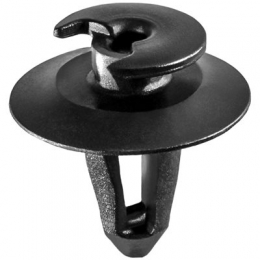
Mercedes Door Panel Retainer (AV20735)
$13.75 per Set
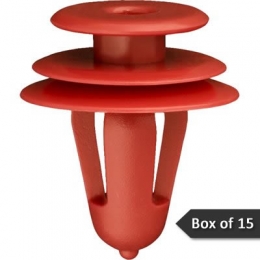
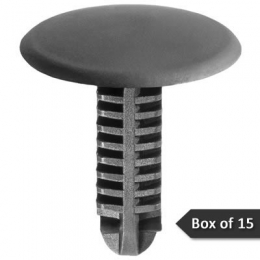
Acura & Honda Trunk Lining Retainer (AV19506)
$16.45 per Box
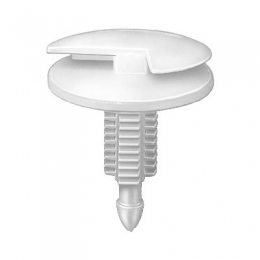
Ford & Mercury Trim Panel Retainer (AV11672)
$6.05 per Set
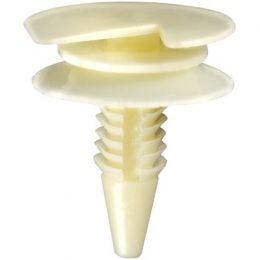
GM Door Trim Panel Retainer (AV11796)
$3.85 per Set
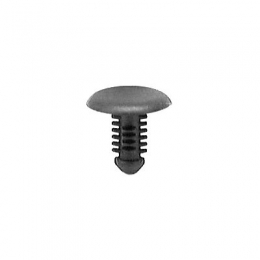
Mazda Trim Panel Retainer (AV14367)
$6.35 per Set
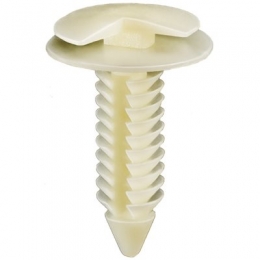
GM Trim Panel Retainer (AV16017)
$3.59 per Set
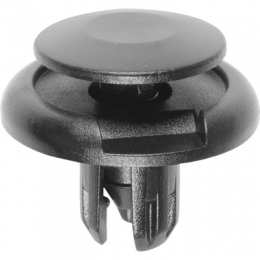
Automotive Interior Fasteners: Quality Solutions for Your Vehicle’s Interior
Automotive interior fasteners secure trim, panels, seats, and dashboards while minimizing noise, vibration, and harshness. Selecting the right fastener type and material promotes a clean fit, long service life, and easy serviceability. Below, find an overview of common fasteners, how materials affect performance, and practical guidance for installation and maintenance.
Types of Automotive Interior Fasteners
Interior assemblies use a combination of clips, screws, push-in retainers, and specialty solutions to attach components without damaging surfaces. Each category offers distinct advantages based on location and service needs.
Clips and retainers: Well-suited for door panels, pillar trims, and kick panels. They enable rapid assembly, accommodate tolerances, and help reduce rattles. Reusable panel clips and “Christmas tree” retainers are widely used for trim and garnish parts.
Screws: Best for areas requiring higher clamping force and repeatable service, including instrument panels, center consoles, and seat frames. Thread-forming screws for plastics can eliminate the need for inserts, while machine screws used with metal inserts or nut plates support higher load zones.
Specialty fasteners: Quarter-turn fasteners, snap-fit connectors, captive nuts, and hook-and-loop systems are common on access panels, HVAC duct covers, wire harness routing, and seat-back assemblies where alignment and quick service are critical.
Comparative advantages: Clips offer speed and noise control; screws deliver strength and serviceability; specialty options address tight clearances, hidden attachments, and tool-free access.
Material Selection for Durability and Performance
Fastener materials affect longevity, wear resistance, and overall cabin feel. Most interior fasteners use engineered plastics, metals, or hybrid constructions with performance-enhancing coatings.
Engineered plastics: Nylon (PA6/PA66), POM (acetal), and PP blends provide flexibility, fatigue resistance, and low squeak. Glass-filled grades boost stiffness for clip retention in high-heat zones, and UV-stabilized formulations help preserve color and strength near windows.
Metals: Stainless steel and zinc-plated steel screws deliver reliable clamping and consistent torque. Stainless resists corrosion from humidity and condensation, while aluminum inserts and nut plates combine strength with reduced weight.
Hybrids and coatings: Metal screws with nylon patches improve vibration resistance. Low-friction coatings reduce galling and make repeated service smoother. On clips that contact painted or soft-touch surfaces, low-friction tips and felt or foam pads help prevent marring.
Corrosion resistance: Interior environments still see temperature swings, spills, and humidity. Choosing stainless hardware, anti-corrosion coatings, or moisture-resistant polymers helps prevent seizing, discoloration, and squeaks over time.
Installation and Maintenance Tips
Correct installation protects fit and finish while preventing rattles. Verify part numbers and clip styles for your vehicle. Use locator pins to align panels before applying force. For plastic clips, press straight and evenly to avoid bending or cracking. When installing screws, set the torque to the manufacturer's specifications to avoid stripping plastic bosses or crushing trim.
Routine maintenance extends fastener life. Inspect fasteners during any interior service and replace damaged or fatigued clips promptly. Apply a small amount of plastic-safe lubricant at friction points if squeaks occur. Keep threads clean; for machine screws, a light, material-compatible anti-seize can aid future removal.
Common mistakes and fixes:
- Over-tightening screws can deform panels—back off to the correct torque and install thread repair inserts if needed.
- Misaligned clips may cause gaps and rattles—remove the panel, realign locator features, and reseat evenly.
- Mixing clip types can reduce retention—use OEM-equivalent designs and lengths to maintain proper panel stand-off.
With the right blend of fastener types, materials, and techniques, you can achieve a quiet, durable, and serviceable interior that looks factory-fresh.