General Upholstery Vinyl
Upholstery Supply USA offers vinyl materials for your general upholstery projects.
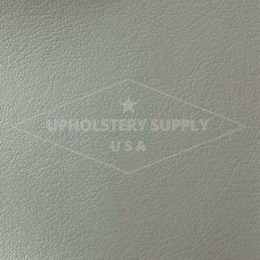
Softside Vinyl - Grand Prix
From $19.50
per Yard

Softside Vinyl - Heidi
From $20.50
per Yard

Softside Vinyl - Islander
From $20.50
per Yard

Softside Vinyl - Madrid
From $19.50
per Yard

Softside Vinyl - Marlin
From $21.25
per Yard

Softside Vinyl - Navigator
From $20.50
per Yard
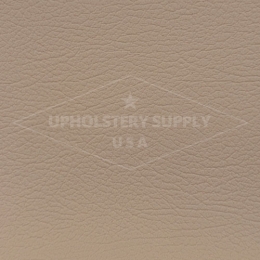
Softside Vinyl - Nuance
From $23.50
per Yard

Softside Vinyl - Reflex MQ
From $26.95
per Yard
General Upholstery Vinyl: A Practical Guide to Durable, Stylish Materials
General upholstery vinyl is a versatile, durable, and budget-friendly choice for homes, vehicles, and commercial spaces. From dining benches and bar stools to car seats and boat cushions, it delivers reliable performance with broad options in color and texture. This guide explains how vinyl is made, where it excels, and how to select the right product for your project.
What Is General Upholstery Vinyl?
Upholstery vinyl is a synthetic material made with a PVC (polyvinyl chloride) surface bonded to a backing fabric such as polyester or cotton. It is engineered to emulate the look and feel of leather or woven textiles while offering enhanced resistance to moisture, stains, and abrasion. Many products include protective topcoats that make cleaning easier and extend service life.
Compared with fabric upholstery, vinyl is less porous, so it resists absorbing spills and odors and wipes clean with minimal effort. Compared with leather, vinyl is more cost-effective, consistent in color and grain, and requires less maintenance, though high-end leathers can offer greater breathability and a natural patina over time. While faux leather and polyurethane (PU) alternatives can feel softer, vinyl often surpasses them in durability and chemical resistance.
Key advantages include simple care with mild soap and water, strong resistance to cracking and scuffing when maintained properly, extensive design choices from smooth to embossed textures, and dependable performance in spaces exposed to frequent use or moisture.
Where General Upholstery Vinyl Works Best
In residential settings, vinyl is a smart pick for dining chairs, bar stools, banquettes, headboards, and family-room seating that sees regular spills and wear. It suits contemporary interiors with a polished finish and can replicate classic leather looks for traditional rooms.
For automotive and marine projects, choose vinyls designed for UV exposure, temperature swings, and moisture. Marine-grade vinyl features mildew resistance, UV stabilizers, and saltwater durability, making it ideal for boat seats, pontoon furniture, and personal watercraft cushions. In vehicles, vinyl is a practical option for seat covers, door panels, and dashboards where easy cleaning and fade resistance are priorities.
High-traffic commercial spaces such as restaurants, healthcare waiting rooms, fitness facilities, and office lobbies benefit from vinyl’s cleanability and resilience. Its non-porous surface supports hygiene goals and tolerates frequent disinfecting when you follow the manufacturer’s care guidance.
How to Choose the Right General Upholstery Vinyl
Begin with performance requirements. Review abrasion resistance (often measured in double rubs), UV stability for sun-exposed areas, and mildew or antimicrobial treatments for humid or clinical environments. Confirm flame-retardant compliance if required by local codes, and check chemical resistance if routine sanitising is expected.
Consider construction and weight. Vinyl thickness (commonly listed in mils) influences durability and drape: heavier gauges typically provide better puncture resistance and longevity, while mid-weight options are easier to sew and wrap around tight corners. Reinforced backings and high-quality topcoats are recommended for demanding applications like restaurant seating or marine cushions.
Evaluate aesthetics and comfort. Request samples to view color under your actual lighting and to assess texture—matte, semi-matte, or glossy—along with grain patterns that complement wood, metal, or fabric in the space. Neutral tones offer versatility, while bold hues can define focal pieces. Always test a small swatch on the intended substrate to confirm flexibility, hand feel, and overall appearance before purchasing yardage.